


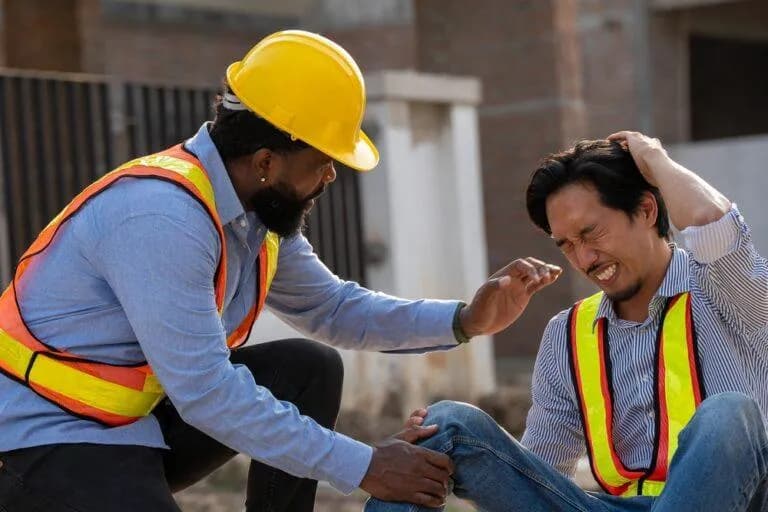
Ask anyone who’s worked a construction site in Brooklyn or Queens, and they’ll tell you the danger isn’t hypothetical – it’s the scaffold that wasn’t properly secured, the ladder on uneven ground, the crane load swinging a little too close. Construction consistently ranks among the most dangerous jobs and most dangerous professions in the country, and knowing which trades carry the highest risk matters, especially if you or someone you love works in one of them.
Is Construction a Dangerous Job? What the Numbers Show
Is construction a dangerous job compared to other industries? By most measures, yes. According to Bureau of Labor Statistics data, transportation and material moving occupations – a category that overlaps heavily with construction and building trades – consistently show some of the highest fatal injury rates of any occupational group nationwide. Falls, being struck by objects, and equipment-related incidents make up the bulk of these fatalities, and a serious building site accident can happen even on well-run job sites.
How dangerous is construction work in practical terms comes down to a few recurring hazards: working at height without adequate fall protection, operating around heavy machinery, and handling materials that can shift or fail unexpectedly. These aren’t rare events – they’re the routine risks baked into some of the most dangerous construction jobs in the country.
Top 10 Most Dangerous Construction Jobs
Not every construction trade carries equal risk. Whether you search for the top 10 most dangerous jobs, the top ten most dangerous jobs, top 10 dangerous jobs, top 5 most dangerous jobs, or simply the 10 most dangerous jobs, most rankings converge on a similar list within construction and adjacent trades. Based on BLS fatality data and industry safety reports, these are consistently ranked among the worst construction jobs and most dangerous trade jobs in the industry:
- Roofers – Working at height on unstable, sloped, or weather-affected surfaces makes roofing one of the deadliest trades. BLS data reported over 100 roofer fatalities in a recent year, with a fatal injury rate approaching 49 per 100,000 full-time workers – among the highest of any occupation tracked.
- Structural iron and steel workers – Ironworkers regularly work at extreme heights while installing and reinforcing building frames, with falls representing the leading cause of fatal injury in this trade.
- Crane operators – A single equipment malfunction or miscommunication during a lift can be catastrophic, both for the operator and workers below.
- Electricians – Electrocution and arc flash injuries remain a persistent hazard, particularly during rough-in work on active job sites.
- Construction laborers – This broad category faces some of the highest overall injury counts in the industry, largely due to sheer workforce size and exposure to nearly every hazard on a site.
- Excavation and trenching workers – Cave-ins remain one of the most underrecognized dangers in construction, often resulting in fatal or catastrophic injuries.
- Demolition workers – Structural collapse, falling debris, and hazardous material exposure make demolition among the hardest construction jobs physically and in terms of risk.
- Heavy equipment operators – Bulldozers, excavators, and forklifts create serious struck-by and rollover hazards on active sites.
- Scaffold and rigging workers – Improperly assembled or overloaded scaffolding is a leading cause of fall-related injuries industry-wide.
- Welders – Burns, toxic fume exposure, and fire hazards make welding one of the more physically punishing trades on a site.
Construction Injuries Statistics: What the Data Tells Us
Understanding construction injuries statistics helps explain why safety regulations exist in the first place. OSHA has identified four hazards, often called the “Fatal Four,” that together account for a large majority of construction worker deaths:
| Hazard | Approximate Share of Construction Fatalities | Common Scenario |
| Falls | ~37–38% | Falls from roofs, scaffolding, ladders, or unguarded floor openings |
| Struck-by Object | ~8–11% | Falling tools, shifting materials, swinging crane loads |
| Electrocution | ~8% | Contact with live wires or improperly grounded equipment |
| Caught-in/Between | ~5% | Trench collapses, machinery entrapment |
These figures are general, industry-wide approximations reported by OSHA and safety researchers over recent years, and specific percentages shift somewhat year to year.
Nationally, what percentage of all accidental deaths in the construction industry represent depends on the year, but construction consistently accounts for a disproportionate share of workplace fatalities relative to its share of the overall workforce. People often ask how many construction workers die each year, and while the exact figure shifts annually, BLS data consistently shows hundreds of fatalities across the industry every year. New York City’s dense job sites, tight timelines, and mix of high-rise and ground-level projects add their own layer of risk on top of the national numbers.
Why New York Construction Sites Carry Extra Legal Weight
New York has some of the strongest construction safety laws in the country, largely because the risks here are so significant. Labor Law §240(1), often called the Scaffold Law, holds property owners and general contractors strictly liable when a worker is injured in a fall from height due to inadequate safety devices. Labor Law §241(6) imposes additional site-safety obligations tied to specific New York Industrial Code violations.
This matters because construction accidents in New York typically involve two separate paths to compensation:
- Workers’ compensation benefits, available to nearly all injured workers regardless of who caused the accident
- A third-party personal injury claim, which may be available against a general contractor, property owner, subcontractor, or equipment manufacturer whose negligence contributed to the accident – separate from your employer
Example: Roofer Fall Injury
A roofer working on a multi-family building in the Bronx falls from an unsecured ladder after the general contractor failed to provide proper fall protection equipment. Workers’ compensation covers a portion of medical costs and lost wages, but because the fall may fall under Labor Law §240(1), a separate third-party claim against the general contractor could potentially recover damages workers’ comp doesn’t cover, including pain and suffering.
Example: Struck by Falling Debris
A laborer on a Manhattan demolition site is struck by debris that wasn’t properly secured by a subcontractor. Because the subcontractor is a separate entity from the worker’s own employer, a third-party liability claim may be available in addition to standard workers’ compensation benefits.
Frequently Asked Questions
What are the most dangerous construction jobs? Roofing, structural ironwork, crane operation, and demolition consistently rank among the most dangerous construction trades due to fall hazards, heavy equipment exposure, and structural risks.
Is being a construction worker dangerous compared to other jobs? Yes, generally. Construction and related trades consistently show fatal injury rates well above the average across all U.S. occupations, largely driven by falls, equipment accidents, and electrocution risks.
How many construction workers die each year? The number varies annually, but construction consistently accounts for hundreds of workplace fatalities nationwide each year, according to BLS data, with falls remaining the leading cause.
What is the hardest construction job in terms of physical risk? Roofing and structural ironwork are typically considered among the hardest and most dangerous due to sustained work at height with limited margin for error.
If I’m injured on a construction site in New York, can I get more than workers’ compensation? Potentially. If a party other than your employer – such as a general contractor or property owner – contributed to the accident, you may be able to pursue a separate third-party claim in addition to workers’ comp benefits.
Talk to a Construction Accident Attorney in Brooklyn
If you or someone you love was injured on a construction site anywhere in Brooklyn, Queens, Manhattan, the Bronx, or Staten Island, you may be entitled to more than what workers’ compensation alone provides. Our construction accident attorneys can review the details of your accident and identify every avenue for compensation available to you.
Call (718) 307-5554, available 24/7, or complete our online form for a free, confidential consultation. There’s no fee unless we win your case.
This article is provided for general informational purposes only and does not constitute legal advice. Statistics cited are general figures from publicly available sources and may not reflect current-year data. Consult a licensed New York attorney about your particular situation.
The Rybak Firm, PLLC