


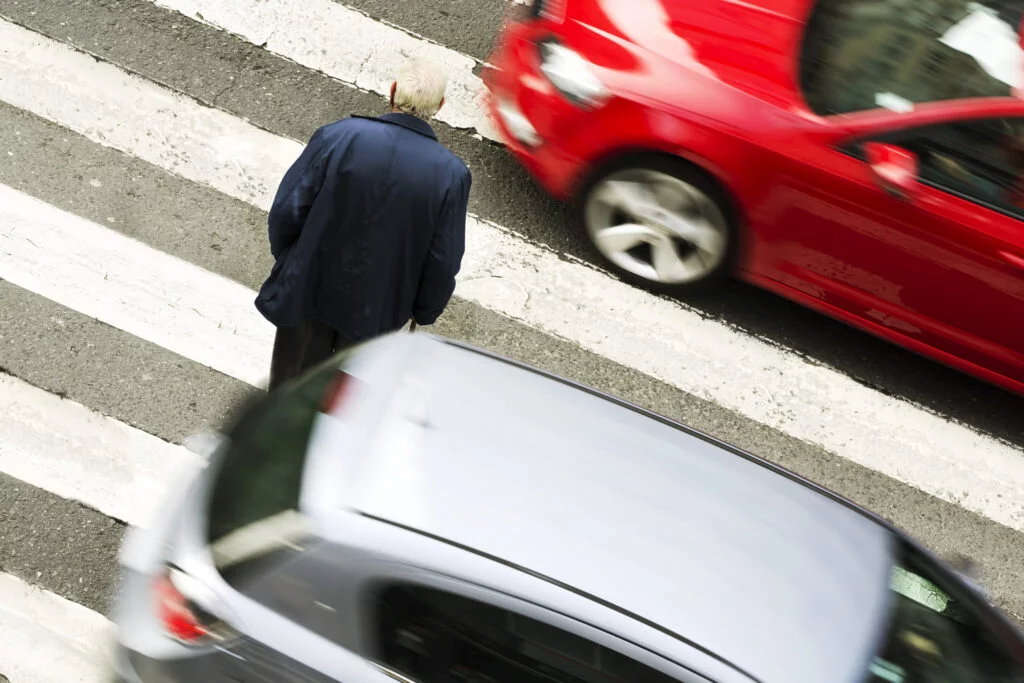
Pedestrian accidents are often far more serious than standard car crashes. Unlike drivers and passengers inside a vehicle, pedestrians have almost no physical protection during impact. Even a collision at moderate speed may cause catastrophic injuries, multiple fractures, traumatic brain injuries, or permanent disability. For many victims, the financial consequences begin immediately. Emergency treatment, surgery, rehabilitation, lost income, and long recovery periods can place enormous pressure on both the injured person and their family.
One of the most common questions after a pedestrian accident is straightforward: how much is a pedestrian accident settlement worth?
There is no universal answer. Some pedestrian accident claims settle for moderate amounts, while severe injury and wrongful death cases may result in settlements or verdicts worth hundreds of thousands – or even millions – of dollars.
The value of a pedestrian accident settlement usually depends on several factors working together, including the severity of the injuries, long-term medical impact, liability evidence, insurance coverage, and whether the driver acted negligently.
This guide explains average pedestrian accident settlement amounts, what affects compensation, and why some pedestrian injury claims result in substantially higher payouts than others.
Average Pedestrian Accident Settlement Amounts
Settlement values vary depending on the seriousness of the injuries and the long-term effect on the victim’s life.
| Injury Type | Typical Settlement Range |
| Minor soft tissue injuries | $10,000 – $40,000 |
| Broken bones | $50,000 – $150,000 |
| Back and neck injuries | $75,000 – $300,000 |
| Surgery-related injuries | $100,000 – $500,000 |
| Traumatic brain injuries | $250,000 – $1M+ |
| Spinal cord injuries | $500,000 – Several million |
| Fatal pedestrian accident cases | $500,000 – Millions |
These ranges are estimates only. Every pedestrian accident case depends on unique facts, medical evidence, insurance limits, and state liability laws.
Two people with similar injuries may still receive very different settlement amounts.
Why Pedestrian Accident Settlements Are Often Higher
Pedestrian accident injuries are frequently more severe than injuries in standard motor vehicle collisions. When a person is struck by a car, the body absorbs direct impact without protection from airbags or seatbelts. Hospitalization rates are significantly higher, especially in urban intersections and crosswalk collisions.
What Affects a Pedestrian Accident Settlement?
Several important factors influence how much compensation an injured pedestrian may recover.
Severity of Injuries
Serious injuries typically lead to larger pedestrian accident settlements because they require extensive medical treatment and long recovery periods. Higher-value cases often involve surgery, hospitalization, rehabilitation, chronic pain treatment, permanent disability, and future medical care.
A pedestrian who suffers a spinal injury or traumatic brain injury will usually face a very different financial recovery than someone with a minor soft tissue injury.
Medical Expenses
Medical costs are often substantial after a pedestrian hit by car accident.
Compensation may include:
-
- Emergency treatment
- Ambulance transportation
- Surgery
- Hospital stays
- Physical therapy
- Specialist treatment
- Prescription medication
- Future medical expenses
Insurance companies closely review medical documentation when evaluating settlement value.
Lost Wages and Reduced Earning Capacity
Many pedestrian accident victims cannot immediately return to work after the collision. Some people lose weeks of income. Others may never return to the same type of employment because of permanent injuries or physical restrictions.
Compensation may include lost wages, reduced earning capacity, future income loss, and missed business opportunities.
This becomes especially important in physically demanding professions.
Pain and Suffering
Not all damages are financial. Pedestrian accident compensation may also include damages for physical pain, emotional distress, PTSD, anxiety, depression, and reduced quality of life.
Serious pedestrian crashes are often psychologically traumatic, especially when victims experience long recoveries or permanent disabilities.
Liability and Evidence
Strong evidence can significantly increase the value of a pedestrian accident lawsuit.
Helpful evidence may include:
-
- police reports;
-
- surveillance footage;
-
- traffic camera footage;
-
- witness statements;
-
- accident reconstruction analysis;
-
- medical records;
-
- cell phone records in distracted driving cases.
In many claims, liability becomes the most disputed issue.
Crosswalk Accidents and Right-of-Way Laws
Many pedestrian injury claims involve crosswalk accidents. Drivers are generally required to yield to pedestrians in marked crosswalks, especially at intersections and traffic-controlled crossings. However, liability still depends on the specific facts surrounding the accident.
Important factors may include:
-
- whether the pedestrian had a walk signal;
-
- whether the driver ran a red light;
-
- vehicle speed;
-
- nighttime visibility;
-
- distracted driving;
-
- road conditions.
Crosswalk pedestrian accident settlements are often substantial when evidence clearly shows the driver failed to yield the right of way.
Comparative Negligence in Pedestrian Accident Cases
Insurance companies frequently try to shift blame onto injured pedestrians.
Common defense arguments include claims that the pedestrian:
-
- crossed outside the crosswalk;
-
- ignored traffic signals;
-
- was distracted by a phone;
-
- entered traffic unexpectedly;
-
- was difficult to see at night.
Many states follow comparative negligence laws. Under these rules, compensation may be reduced if the pedestrian is found partially responsible for the accident. For example, a pedestrian found 20% at fault may only recover 80% of the total damages.
Even in jaywalking or disputed liability cases, injured pedestrians may still recover compensation depending on state law.
Insurance Coverage Can Affect Settlement Amounts
Insurance coverage often plays a major role in pedestrian accident compensation.
Possible insurance sources may include:
-
- the driver’s bodily injury liability coverage;
-
- uninsured motorist coverage;
-
- underinsured motorist coverage;
-
- umbrella insurance policies;
-
- commercial vehicle insurance.
In some situations, the available insurance limits may affect the final settlement even when the injuries are catastrophic.
This is one reason why two severe pedestrian accident cases may result in very different payouts.
Real Pedestrian Accident Settlement Example
A pedestrian is struck by a speeding SUV while crossing legally inside a marked crosswalk. The victim suffers multiple fractures, a pelvic injury, and a traumatic brain injury requiring surgery and extensive rehabilitation. At first, the insurance company argues poor visibility contributed to the crash and claims the pedestrian entered the intersection too quickly. Later, traffic camera footage shows the driver was speeding and failed to stop at a red light while using a mobile phone.
Medical documentation confirms long-term cognitive symptoms, lost wages, rehabilitation costs, and future treatment needs. After extensive negotiations, the case settles for substantially more than the insurer’s original offer.
Cases involving clear negligence and catastrophic injuries generally place significant pressure on insurance companies during settlement negotiations.
Settlement vs. Trial Verdict in Pedestrian Accident Cases
Most pedestrian accident lawsuits settle before trial. A settlement is a negotiated agreement between the parties. A verdict is decided by a jury or judge after litigation. Jury verdicts can sometimes be significantly higher than settlement offers, especially in catastrophic pedestrian injury cases involving reckless driving or permanent disability.
However, trials also involve risk, uncertainty, and lengthy litigation.
How Long Does a Pedestrian Accident Settlement Take?
Every pedestrian accident case moves at a different pace.
Minor injury claims may settle within several months, while catastrophic injury lawsuits often take much longer because future medical treatment and disability must be carefully evaluated.
| Stage | Typical Timeline |
| Medical treatment | Weeks to months |
| Investigation | 1–3 months |
| Insurance negotiations | Several months |
| Lawsuit and discovery | 6–18 months |
| Trial if necessary | Additional months |
Cases involving disputed liability, wrongful death, or severe injuries may take considerably longer to resolve.
Common Mistakes That Reduce Pedestrian Accident Compensation
Certain mistakes can weaken a pedestrian injury claim significantly. Common problems include:
-
- delaying medical treatment;
-
- speaking to insurance adjusters without legal guidance;
-
- accepting early settlement offers.
Many injured pedestrians underestimate how aggressively insurance companies investigate serious injury claims.
When Should You Contact a Pedestrian Accident Lawyer?
Contact a lawyer when injuries are serious, surgery is required, liability is disputed, or the insurance company offers a low settlement. An experienced pedestrian accident lawyer can investigate the collision, preserve evidence, and evaluate the full value of the claim.
FAQ
What is the average pedestrian accident settlement?
Average pedestrian accident settlement amounts vary widely depending on injury severity, liability evidence, and insurance coverage. Serious injury cases involving surgery or permanent disability may result in compensation worth hundreds of thousands of dollars or more.
Who is at fault in a pedestrian accident?
Fault depends on the circumstances of the accident. Drivers who speed, fail to yield, run red lights, or drive distracted are often responsible, although comparative negligence laws may also affect compensation.
How long does a pedestrian accident settlement take?
Some claims settle within months, while severe injury or wrongful death cases may take more than a year to fully resolve.
Can pedestrians sue drivers after an accident?
Yes. Injured pedestrians may file a lawsuit against negligent drivers to recover compensation for injuries and financial losses.
Can a pedestrian still recover compensation if partially at fault?
Possibly. Many states allow injured pedestrians to recover partial compensation under comparative negligence laws, even when they share some responsibility for the accident.
Every pedestrian accident case is different. Past settlements and verdicts do not guarantee future results. Settlement amounts depend on the facts of the case, available insurance coverage, liability evidence, and the severity of the injuries involved.